
Luxury is in the details.
We live in a world of overflowing inboxes, endless social feeds, banner ads, text messages, and push notifications. Brands have more digital ways to reach customers than ever before.
And that’s exactly why direct mail marketing still has a place.
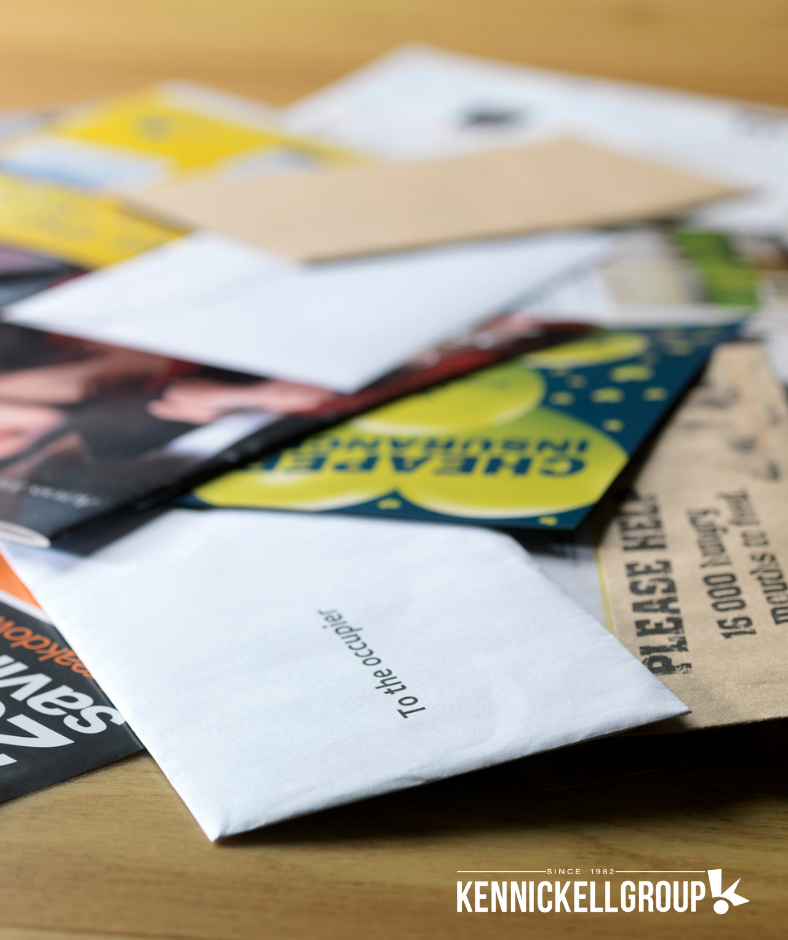
A well-designed mail piece gives someone something digital marketing can’t: a physical interaction with your brand. Customers can pick it up, feel the paper, notice the finish, set it on their desk, or come back to it later.
For brands competing for attention, sometimes the best way to stand out in a digital world is to give customers something they can actually hold.
Does Direct Mail Still Work?
Yes—but today’s most effective direct mail looks very different from the mass mailings many people associate with traditional advertising.
Modern direct mail can combine sophisticated printing, targeted mailing lists, variable data, personalized messaging, QR codes, specialty finishes, and digital tracking.
Instead of sending the same generic postcard to thousands of people, businesses can create more relevant campaigns based on what they know about their audiences.
The result is a marketing channel that combines the physical impact of print with many of the targeting and measurement capabilities associated with digital marketing.
Direct Mail vs. Digital Marketing: What’s the Difference?
Digital marketing has clear advantages. It’s fast, easy to update, highly targetable, and provides extensive analytics.
But digital marketing also operates in an extremely crowded environment.
An email competes with dozens—or hundreds—of other messages. A social advertisement may be visible for only a few seconds. Display ads compete with everything else happening on the screen.
Direct mail creates a different kind of interaction.
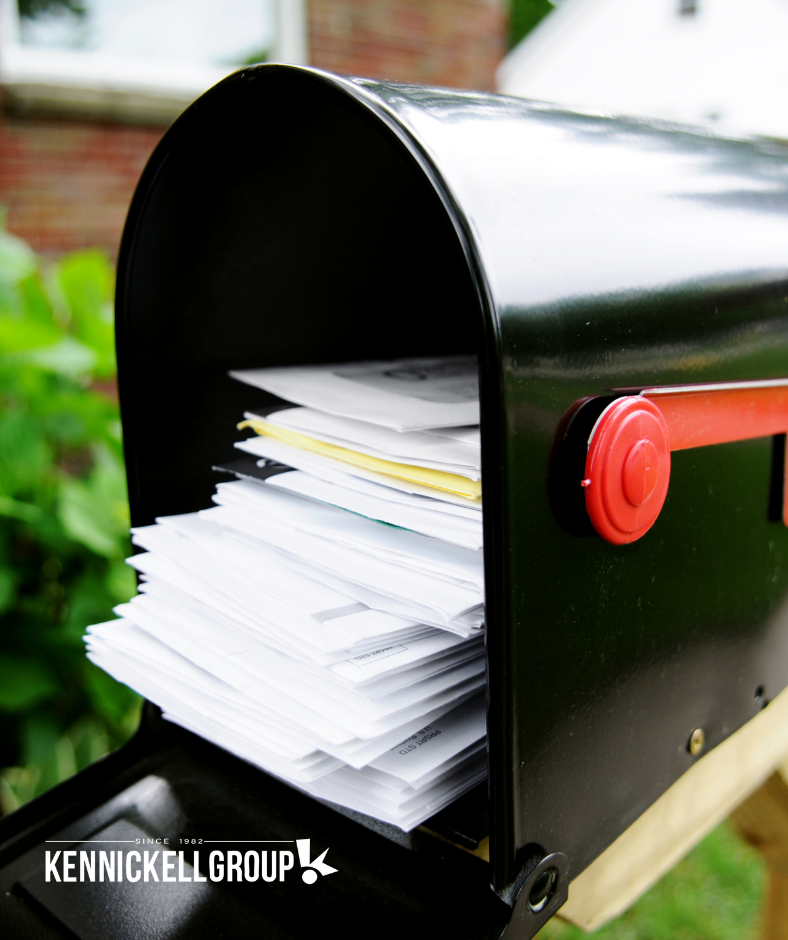
A printed piece arrives physically in someone’s home or office. The recipient has to interact with it in some way, even if that’s simply deciding whether to keep it.
Rather than thinking about direct mail vs. digital marketing as an either/or decision, businesses should consider how the two channels can work together.
Print can create attention. Digital can make responding immediate.
Why Physical Marketing Can Feel More Valuable
The physical qualities of print communicate information before someone reads the message.
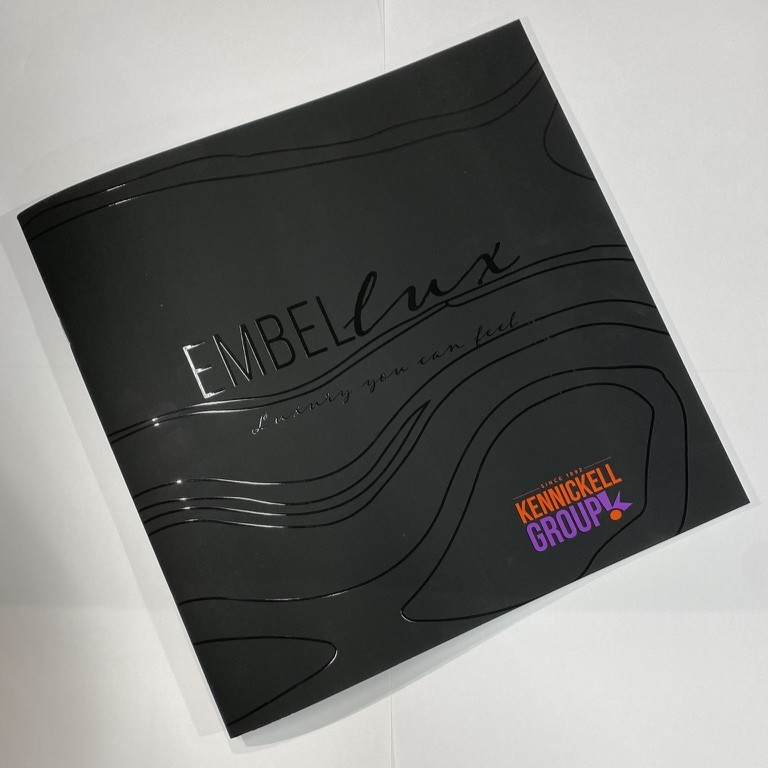
Think about the difference between receiving a lightweight postcard and opening a beautifully designed mailer printed on substantial stock with a soft-touch surface and a subtle foil detail.
Both may contain the same offer.
They don’t create the same impression.
Paper weight, texture, color, coatings, folds and specialty finishes can influence how a recipient perceives the company behind the piece.
For businesses selling premium products or services, that distinction can be especially important. Your marketing should reflect the experience customers can expect from your brand.
Personalization Has Changed Direct Mail
One of the biggest advancements in direct mail printing is the ability to personalize pieces at scale.
Variable data printing allows elements of a printed piece to change from one recipient to another without requiring a separate traditional print run for every version.
Depending on the available customer data, businesses can personalize:
- Names
- Headlines
- Images
- Offers
- Locations
- Products or services
- Calls to action
- QR codes
- Contact information
Imagine a hospitality company marketing several properties. Instead of sending everyone the same imagery, recipients could receive creative featuring a destination or experience relevant to them.
Or a multi-location business could automatically feature the location nearest each customer.
That’s a significant evolution from traditional mass mail.
Direct Mail Can Connect Directly to Digital Experiences
Print doesn’t have to end on the page.
QR codes, personalized URLs, landing pages, promotional codes, and other response mechanisms can move recipients directly from a physical mail piece into a digital experience.
A recipient could scan a QR code and:
- Schedule an appointment
- Watch a video
- Explore a property
- View a product
- Register for an event
- Download a guide
- Request information
- Make a purchase
This makes direct mail part of a larger customer journey rather than an isolated marketing tactic.
Why Direct Mail Isn’t Really “Traditional” Anymore
Calling direct mail a traditional marketing channel can be misleading.
The physical delivery method may be familiar, but the technology behind modern direct mail has changed dramatically.
High-speed digital printing, variable data, sophisticated mailing automation, postal optimization, QR technology and digital embellishments make it possible to produce campaigns that are more targeted, personalized and measurable than traditional mass mailings.
That’s what makes direct mail particularly interesting today.
It combines something very old—the power of a physical object—with technology that makes that object increasingly personal.
Direct Mail Printing With The Kennickell Group
The Kennickell Group helps businesses create direct mail campaigns that combine advanced printing technology with personalization, mailing expertise, and premium production.
Our capabilities include high-speed inkjet printing, variable data printing, personalized QR codes, direct mail production, postal optimization, digital foil, raised UV, soft-touch finishes, bindery, fulfillment, and distribution.
Based in Savannah, Georgia, Kennickell serves organizations throughout the Southeast and across the United States, providing the production capacity and expertise needed for everything from targeted premium mailings to complex national campaigns.
For more than 130 years, printing technology has changed considerably.
Our commitment hasn’t:
Whatever It Takes.
Ready to Make Direct Mail Part of Your Marketing Strategy?
Talk with The Kennickell Group about creating a targeted, personalized direct mail campaign designed to get your brand into the right hands.
Check out our other recent blogs:

What Luxury Brands Look for in a Printing Partner
The goal of print marketing for trade schools is not to impress people with flashy language, but to help them see a path that feels possible.

Print Marketing for Trade Schools
The goal of print marketing for trade schools is not to impress people with flashy language, but to help them see a path that feels possible.
Foil & Embellishments: What They Are and Why They Work
Used well, foil and embellishments can improve perceived quality, draw attention to key details, and increase response on direct mail and packaging pieces.